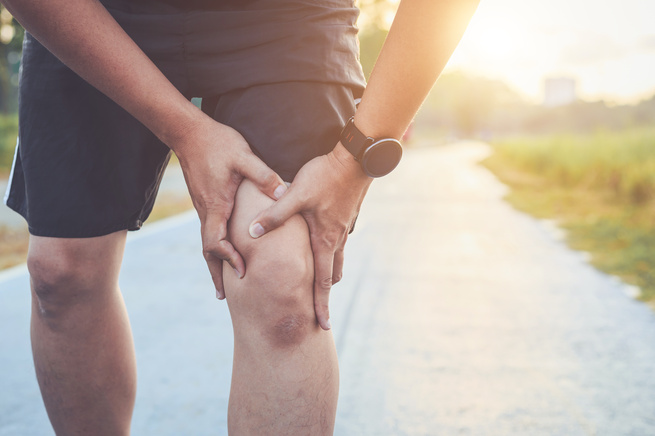



When winter arrives, people living with arthritis may notice their joints feel stiffer, sorer, or harder to get moving. If that sounds familiar, you’re not imagining it. 

While research hasn’t identified a single direct cause linking cold weather to arthritis flares, studies suggest that factors such as temperature changes, shifts in barometric pressure, reduced physical activity, and changes in sleep patterns may influence pain sensitivity and joint stiffness (Arthritis Australia, 2023; Kolasinski et al., 2020). 

The good news? There are practical, evidence-based strategies that can help you stay mobile and comfortable through winter – and physiotherapy plays a key role in that plan. 

Why Do Joints Feel Worse in Winter? 

Winter often changes our daily habits. We may tend to move less, spend more time indoors, and sit for longer periods. Colder temperatures can also make muscles and soft tissues feel tighter, while reduced sunlight may affect mood and energy levels (Arthritis Australia, 2023). For people living with osteoarthritis (OA), these changes may worsen symptoms. 

Osteoarthritis involves degeneration of joint cartilage and changes in surrounding tissues, which can lead to stiffness, particularly after periods of rest or inactivity (Australian Commission on Safety and Quality in Health Care [ACSQHC], 2024). That’s why many people with arthritis notice their joints feel stiff first thing in the morning or after sitting for long periods. When winter reduces activity levels, stiffness can increase – creating a cycle of moving less and feeling worse. 

Movement Is Medicine (Even in Winter) 

One of the most important messages in arthritis care is simple: 

 – Movement helps joints. 

Australian clinical guidelines consistently recommend exercise as a first-line treatment for knee and hip osteoarthritis, ahead of many passive treatments (The Royal Australian College of General Practitioners, 2018; Kolasinski et al., 2020). 

Regular movement helps by: 

  • Reducing joint stiffness 
  • Strengthening muscles that support joints 
  • Improving mobility and balance 
  • Supporting long-term joint function 

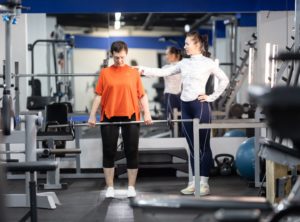
A physiotherapist or exercise physiologist may recommend a tailored program that includes: 

  • Low-impact aerobic exercise such as walking, cycling, or swimming 
  • Strength training targeting key muscle groups like the quadriceps and glutes 
  • Range-of-motion exercises to maintain joint mobility 
  • Balance exercises to reduce fall risk 

Research consistently shows that structured exercise programs can reduce pain and improve function for people with osteoarthritis (Kolasinski et al., 2020). The key is finding exercises that are appropriate for your body and sustainable long-term. 

Warmth Helps – Use It Strategically 

Cold muscles and joints can feel stiffer, especially first thing in the morning. Heat therapy can help ease this stiffness by: 

  • Increasing blood flow 
  • Reducing muscle guarding 
  • Improving comfort before movement 

Clinical guidelines suggest that heat can be a helpful adjunct strategy for symptom relief alongside exercise and activity (RACGP, 2018). 

Simple winter strategies include: 

  • Taking a warm shower before activity
  • Using a heat pack on stiff joints before exercise
  • Wearing layered clothing to keep joints warm
  • Gradually warming up before longer walks or activity

Heat doesn’t treat the underlying arthritis itself – but it can make movement more comfortable, which supports better long-term outcomes. 

Strength Protects Joints 

Muscle strength plays a crucial role in protecting joints. When muscles are weak, joints are exposed to higher mechanical loads during everyday activities like walking, standing, and climbing stairs. This is particularly important for knee osteoarthritis, where weakness in the quadriceps muscles is strongly linked to worse pain and functional limitations (ACSQHC, 2024). Australian care standards emphasise the importance of individualised strengthening programs guided by trained clinicians (ACSQHC, 2024). 

Examples of helpful strengthening exercises include: 

  • Sit-to-stand practice 
  • Step-ups 
  • Resistance band exercises 
  • Controlled squats 

Winter can actually be an ideal time to focus on structured indoor strength training, helping build resilience around affected joints. 

Weight Management and Joint Load 

For people with knee osteoarthritis, body weight can significantly influence joint loading. Research suggests that for every ~0.45 kg (1 lb) of weight lost, knee joint load during walking decreases by approximately 1.8 kg (4 lb) per step (Messier et al., 2005). Over the course of thousands of daily steps, this reduction can meaningfully decrease stress on the joint. 

Winter routines, such as reduced activity or comfort eating, can sometimes lead to weight gain, which may worsen symptoms. If weight management is relevant, physiotherapists can often work collaboratively with GPs and dietitians to support a sustainable approach. 

Pacing and Managing Flare-Ups 

Arthritis symptoms naturally fluctuate, and winter may increase the likelihood of temporary flare-ups. When pain increases, the instinct can be to stop activity completely. However, long periods of rest can worsen stiffness and deconditioning. 

Instead, clinicians often recommend pacing strategies, such as: 

  • Temporarily reducing activity intensity 
  • Continuing gentle movement 
  • Gradually building activity back up as symptoms settle 

Guidelines strongly emphasise ongoing activity and self-management, rather than prolonged rest or over-reliance on medication (ACSQHC, 2024). 

When Should You See a Physiotherapist? 

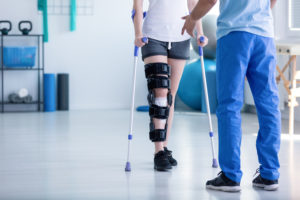
It may be helpful to seek physiotherapy advice if: 

  • Winter stiffness is lasting longer than usual 
  • Pain is limiting your daily activity 
  • Your mobility is declining 
  • You’re unsure what exercises are safe 

Early support can help you maintain activity levels, reduce pain, and prevent long-term decline in function. 

The Winter Takeaway 

Cold weather may increase joint stiffness, but it doesn’t have to stop you from staying active. 

The most effective winter strategy isn’t complete rest. It’s: 

✔ Staying active 

✔ Keeping joints warm 

✔ Strengthening muscles regularly 

✔ Managing flare-ups with confidence 

  With the right physiotherapy guidance, winter can be a season of maintaining strength and independence, not losing it. Contact your local physiotherapist today to get started. 

References 

Arthritis Australia. (2023). How cold weather impacts arthritishttps://www.arthritis.org.au/arthritis/arthritis-insights/living-well-with-arthritis/how-cold-weather-impacts-arthritis/ 

Australian Commission on Safety and Quality in Health Care. (2024). Osteoarthritis of the knee clinical care standardhttps://www.safetyandquality.gov.au

Kolasinski, S. L., Neogi, T., Hochberg, M. C., Oatis, C., Guyatt, G., Block, J., Callahan, L. F., Copenhaver, C., Dodge, C., Felson, D., Gellar, K., Harvey, W., Hawker, G., Herzig, E., Kwoh, C. K., Nelson, A. E., Samuels, J., Scanzello, C., White, D., Wise, B., & Altman, R. (2020). 2019 American College of Rheumatology/Arthritis Foundation guideline for the management of osteoarthritis of the hand, hip, and knee. Arthritis Care & Research, 72(2), 149–162. https://doi.org/10.1002/acr.24131

Messier, S. P., Gutekunst, D. J., Davis, C., & DeVita, P. (2005). Weight loss reduces knee-joint loads in overweight and obese older adults with knee osteoarthritis. Arthritis & Rheumatism, 52(7), 2026–2032. https://doi.org/10.1002/art.21139

The Royal Australian College of General Practitioners. (2018). Guideline for the management of knee and hip osteoarthritis (2nd ed.)https://www.racgp.org.au/clinical-resources/clinical-guidelines/key-racgp-guidelines/view-all-racgp-guidelines/knee-and-hip-osteoarthritis 

COVID Safety Notice

First published March 26, 2020 12:40pm. Updated 29th June 12:30pm AEST 2021

We are still operating as normal and abiding by Covid safe guidelines from the Department of Health.

There are current contact tracing alerts and related public health advice for people who have been in the Australian Capital Territory, New South Wales, Victoria and New Zealand.

Read the latest advice from Queensland Health – HERE


At Entirely Health, we’re focused on the well-being of every person who steps through our clinic doors. This includes the health and safety of our local communities, which is you, our patients, as well as our team members.

Read more

Physiotherapist

Alex works from our Yeppoon practice and has a special interest in dance related injuries and preventative management along with Pilates, she also enjoys treating foot/ankle, hip/pelvic injuries. Prior to moving to Central Queensland she worked  in Sydney as a physiotherapist with professional dancers and dance students for preventative and dance related injuries. During this time she also treated workplace injuries, acquired brain injuries and chronic pain.

In her spare time Alex enjoys a wide range of outdoor activities such as stand up paddling, kite surging, surfing and ballet. Read more

There is a good chance that many of you know someone who has had a long lasting tendon injury, or has had one yourself. The runner with the nagging Achille’s pain, the footballer with the recurrent groin issue, the tennis player who can’t hit a backhand because of their sore elbow. It is only in the last couple of years that we have begun to develop a better understanding of tendon injuries and why they are so frustrating (to both patient and therapist). Read more

Exercise Physiologist

Shireen holds a Bachelor of Exercise Science, a Graduate Diploma of Exercise Science and a Bachelor of Business Management. She is an ESSA accredited exercise physiologist working from both our Rockhampton and Yeppoon practices. Shireen has always worked the the fitness industry and before completing her exercise physiology studies worked at various health clubs and gyms. She enjoys working with her clients and helping to break down barriers and eliminating fears of exercising, educating why exercise is medicine and noticing improvements in their strengths and confidence. In her spare time Shireen enjoys cooking hiking, keeping fit outdoors and occasionally binge watching TV series. Read more

It’s our mission at CQ Physio to help people in our communities reach their optimal physical potential throughout life. That’s why we are so thrilled that we are now an NDIS provider. We offer Physiotherapy, Exercise Physiology, Dietetics and Massage services. If you would like further information on how you can access these services please contact our Practice Manager at admin@cqphysio.com.au. Read more

What is Flexion Related Lower Back Pain?

Flexion Related Lower Back Pain is a broad term used to describe any lower back pain that is aggravated by flexion movements e.g. bending and sitting. Pain can be localised to the middle of your back or is also commonly felt in the buttocks and thigh. Occasionally pain can shoot down the leg. This electric shooting type of pain is called radicular pain or is also often referred to as sciatica. It is important that you keep moving and return to work (even if you can only do light duties).  Excessive “bed rest” is not effective in managing lower back pain and is even considered detrimental to your rehabilitation. Read more

What are Cervicogenic Headaches?

A cervicogenic headache (CH) is a common cause of headache. The pain associated with this type of headache is secondary to a physical disorder of the neck. Common locations of CH are the base of the skull, the temple regions and the area around the eyes. Common structures responsible are the upper segments of the spine, the sub-occipital muscles and upper trapezius muscle fibres. Read more